
Understanding the factors that impact FPC prices is crucial for quality assurance and cost control. Factors such as material selection, circuit complexity, layer count, surface finish, and production volume all influence FPC pricing. By optimizing design for manufacturability, engaging in effective supplier management, and utilizing proper testing and inspection protocols, customers can ensure quality while controlling costs in FPC production.
Smartphones have gained widespread usage worldwide over the past decade, leading many individuals to consider replacing components and accessories within their devices, particularly when it comes to repairing the FPC board. However, several factors can influence the price of FPC boards. These factors include the complexity of the circuit design, the number of layers in the board, the choice of materials, the surface finish, and the production volume. Each of these elements can impact the overall cost of FPC boards for smartphone repairs.
1.Material is the basic factor
FPC (Flexible PCB) materials include FCCL copper, coverlay materials like polyimide, adhesive materials, and stiffener materials such as FR4 and stainless steel. The price of FPC flex boards can vary significantly depending on the materials used. For instance, ordinary double-sided flex PCB boards typically employ materials like PI and PET, with varying plate thickness ranging from 0.0125mm to 0.10mm and copper thickness ranging from 1/3oz to 3oz. These variations in material specifications contribute to significant price differences. Additionally, different brands of material manufacturers may also result in price variations.
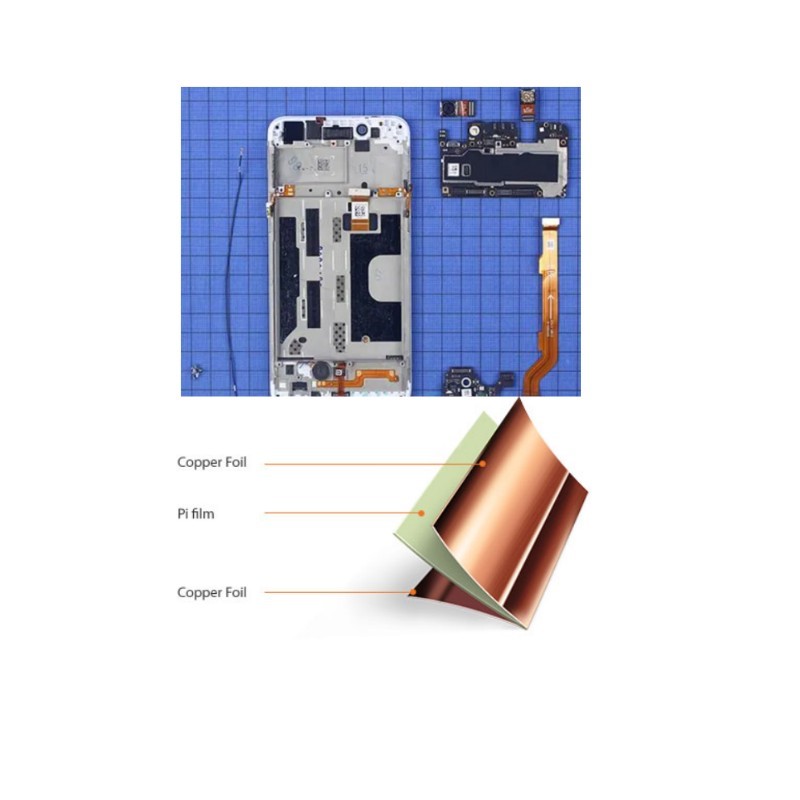
The diversity in pricing is attributed to the range of materials used in FPC production. Alongside FCCL copper, coverlay materials like polyimide, adhesive materials, and stiffeners such as FR4 and stainless steel, there are additional materials that contribute to the composition of FPCs. These materials include steel sheets, FR4, and PIFCCI copper foil reinforcement materials, as well as other auxiliary materials. The combination of these materials and their variations in quality and specifications leads to the diversity in FPC pricing.
2.Variations in Flexible Circuit Board Processes Impact Pricing
Different production processes also result in varying costs, which, in turn, affect the overall prices. For instance, the use of gold plating, tin plating, or OSP (Organic Solderability Preservative) requires precise shaping, while employing wet film lines or dry film lines incurs different costs, leading to variations in prices.
3.Technical Difficulty of Flexible Circuit Boards Affects Prices
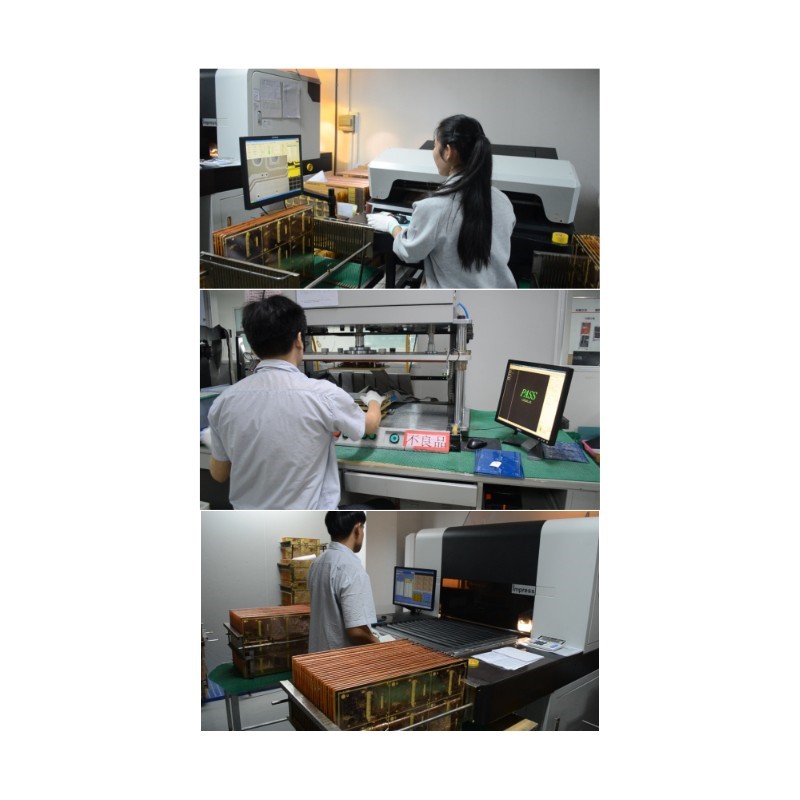
When the requirements and processes are the same, the design difficulty of the flexible circuit board itself can lead to varying costs. For example, if one board requires a hole within the normal range while another has more complex drilling requirements, the drilling cost will differ. Similarly, unfinished lines with different width or spacing, such as one with a line width or spacing greater than 0.1mm and another with less than 0.1mm, will also contribute to price differences. Boards with higher design difficulty tend to have increased scrap rates and higher costs, resulting in varying prices.
4.The price varies according to the customer’s requirements
The level of customer requirements will directly affect the product rate of the board factory. For instance, a board meeting IPC-A-6013, class 1 requirements, has a 98% pass rate. However, based on class 3 requirements, the pass rate may be only 90%, resulting in varying costs for the board factory. This ultimately leads to fluctuating product prices.
5.Flexible circuit board manufacturers caused by different price diversity
Even if it’s the same product, variations in process equipment and technical expertise can result in different costs. Nowadays, many Flexible PCB manufacturers favor the production of gold plated boards due to their simplicity and low cost. However, some factories that produce gold plated boards may experience an increase in scrap, leading to higher costs. As a result, they prefer producing tin-plated or tinplate boards. Therefore, their quotes for spray tin plate are lower than gold plate.
6.Other Factors Influencing Prices
Price Discrepancy Due to Different Payment Methods.
Currently, flexible circuit board manufacturers generally adjust prices based on various payment methods, ranging from 5% to 10%. This variation contributes to the overall price difference.
Regional Disparities Causing Price Diversity.
Presently, prices in China show an increasing trend from south to north, with noticeable variations in different regions. Regional differences thus contribute to the diversity in pricing.
Price Variation Due to Different Electroplating Methods.
Local electroplating differs by approximately 15% compared to overall electroplating costs.
Surface Treatment Disparity in Goldfinger Section.
The distinction between gold plating and tin plating amounts to around 5%.
Unit Price of FPC Determined by Production Process Defect Rate.
Ultimately, the cost of SMT and the defect rate play a crucial role in determining the unit price of flexible PCBs.