
With the continuous development and application of electronic technology, electronic equipment is becoming more and more advanced. To produce excellent performing electronic products, Printed Circuit Boards (PCBs) are crucial. PCBs are the bearer boards of electronic components, combining electronic components and chips to provide more efficient, reliable, and stable electronic connections.
In this article, we will explain in detail the meaning, function, classification, and common applications of PCBs.
The meaning of PCBs
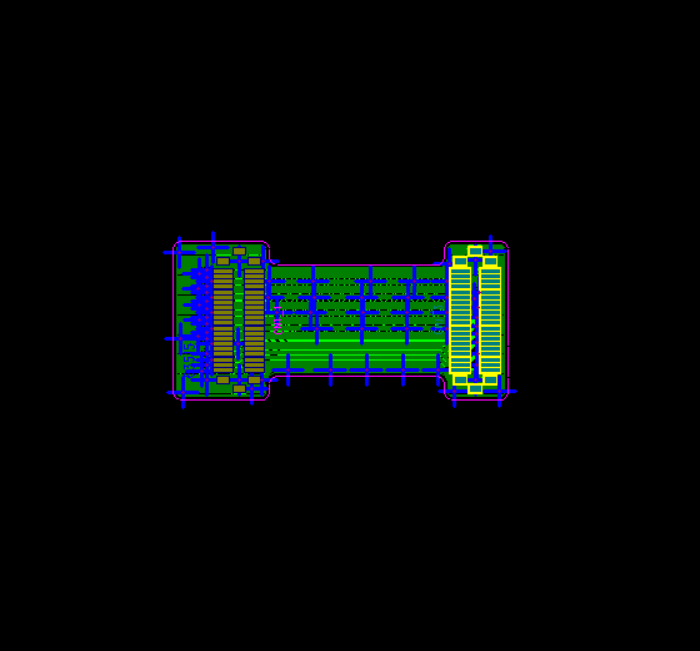
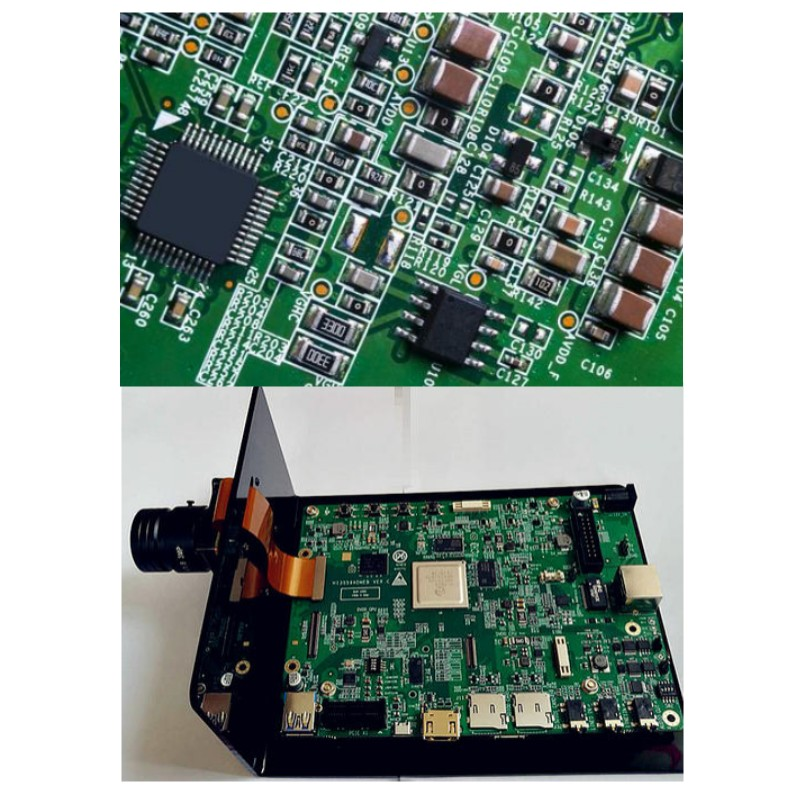
First, let’s discuss the meaning of PCBs. PCBs are printed circuit boards composed of conductive paths and non-conductive dielectric materials. They can also be understood as carriers of integrated circuits, with conductive paths and electronic components completed on the board layer. Compared to traditional circuit boards that connect electronic components with wires, PCBs use the printing method to complete the conductive channel extension line on the board, making the circuit connections between electronic components more rapid, accurate, and reliable. It can be said that without PCBs, there would be no modern electronic equipment.
The Role of PCB
PCBs play a crucial role in carrying electronic components and completing the connection between components. They are also the basis of circuit and system design and directly affect the performance and reliability of the circuit system. In the design of electronic products, PCBs are essentially the concrete implementation of the schematic diagram. For example, mobile phones, tablets, and other electronic equipment need to have high integration, small size, high performance, lightweight, and beautiful characteristics. PCBs have become an indispensable core component of such devices.
In short, PCBs are an indispensable and important part of modern electronic equipment. Their wide range of applications and great influence on the performance and reliability of electronic equipment make the design and production of PCBs one of the most important tasks for electronic engineers and technology companies.
The Significance of PCB Existence
To facilitate the system to describe and manage the running process, a data structure called Process Control Block (PCB) is defined in the core of OS for each process. As a part of the process entity, PCB records all the information needed by the operating system to describe the current situation of the process and manage the running of the process. It is the most important data recording structure in the operating system. The role of PCB is to make a program (including data) that cannot run independently in a multi-program environment become a basic unit that can run independently, a process that can run concurrently with other processes.
(1)PCB as the symbol of the basic unitof independent operation. When a program (including data) is associated with a PCB, it means that it has become a legal basic unit that can run independently in a multi-program environment and has the right to obtain OS services, such as opening files in the file system, requesting I/O equipment in the system, and communicating with other related processes. Therefore, when the system creates a new process, a PCB is created for it. At the end of the process, the PCB is recycled, and the process dies. The system senses the presence of the process through the PCB. In fact, the PCB has become the only indication that the process exists in the system.
(2)PCB can enable intermittent operation mode. In a multiprogram environment, the program runs in stop-go intermittent mode. When a process is suspended due to blocking, it must retain CPU field information about the time it ran. With the PCB in place, the system can store the CPU field information in the PCB of the interrupted process for use when resuming the CPU field when the process is scheduled to execute again. Therefore, it can be made clear once again that, in the multi-program environment, as a static program in the traditional sense, because it does not have the means to protect or preserve its own running site, it cannot guarantee the reproducibility of its running results, losing the significance of running.
(3) PCB provides the information needed for process management. When the scheduler schedules a process running, it looks for the corresponding program and data only according to the process’s program and data recorded in the PCB in memory or the start of the pointer. When a process is running and needs to access files in the file system or I/O devices, information in the PCB is also necessary. Additionally, the PCB resource list provides information about all the resources required by the process. It can be seen that throughout the process’s life cycle, the operating system always manages and controls the process according to the PCB.
(4) PCB provides the information required for process scheduling. Only processes that are in a ready state can be scheduled for execution, and the PCB provides information about the state of the process. If the process is in a ready state, the system inserts it into the process ready queue and waits for the scheduler to schedule it. Additionally, other information about the process is often necessary during scheduling. For example, in priority scheduling algorithms, it is necessary to know the process’s priority. In some fair scheduling algorithms, it is also necessary to know the process’s wait time and the events that have been executed.
(5) PCB enables synchronization and communication with other processes. The process synchronization mechanism is used to realize the coordinated operation of various processes. When the semaphore mechanism is adopted, it requires the setting of the corresponding semaphore for synchronization in each process. The PCB also has an area or communication queue pointer forprocess communication.