
Reducing the failure rate of flexible PCB cables is crucial for maintaining the reliability and performance of electronic devices. This article explores effective strategies and techniques to minimize failures and enhance the quality of flexible PCB cables. By implementing these measures, manufacturers and engineers can improve the durability and functionality of electronic products.
To reduce the failure rate of flexible PCB cables, it is essential to consider the following aspects:
Circuit Design: Sufficient simulation and testing of the circuit should be conducted during the design stage to prevent issues like voltage drop and excessive current. Proper layout and routing of components should be implemented to minimize interference between electrical components.

Material Selection: It is important to choose high-quality materials with properties such as high temperature resistance, corrosion resistance, wear resistance, and aging resistance. This ensures the reliability and longevity of flexible PCB cables.
Manufacturing Process: The manufacturing process and production environment should be carefully controlled to maintain the quality and reliability of the flexible PCB cables. Factors like temperature and humidity should be stabilized during the manufacturing process to prevent any negative impact on the cables.
Quality Control: Rigorous quality control measures should be implemented after the manufacturing process is completed. This includes conducting thorough inspections of the cable’s appearance, precise measurements of its dimensions, and comprehensive electrical performance testing. These measures help ensure that only cables meeting the required standards are used in electronic devices.
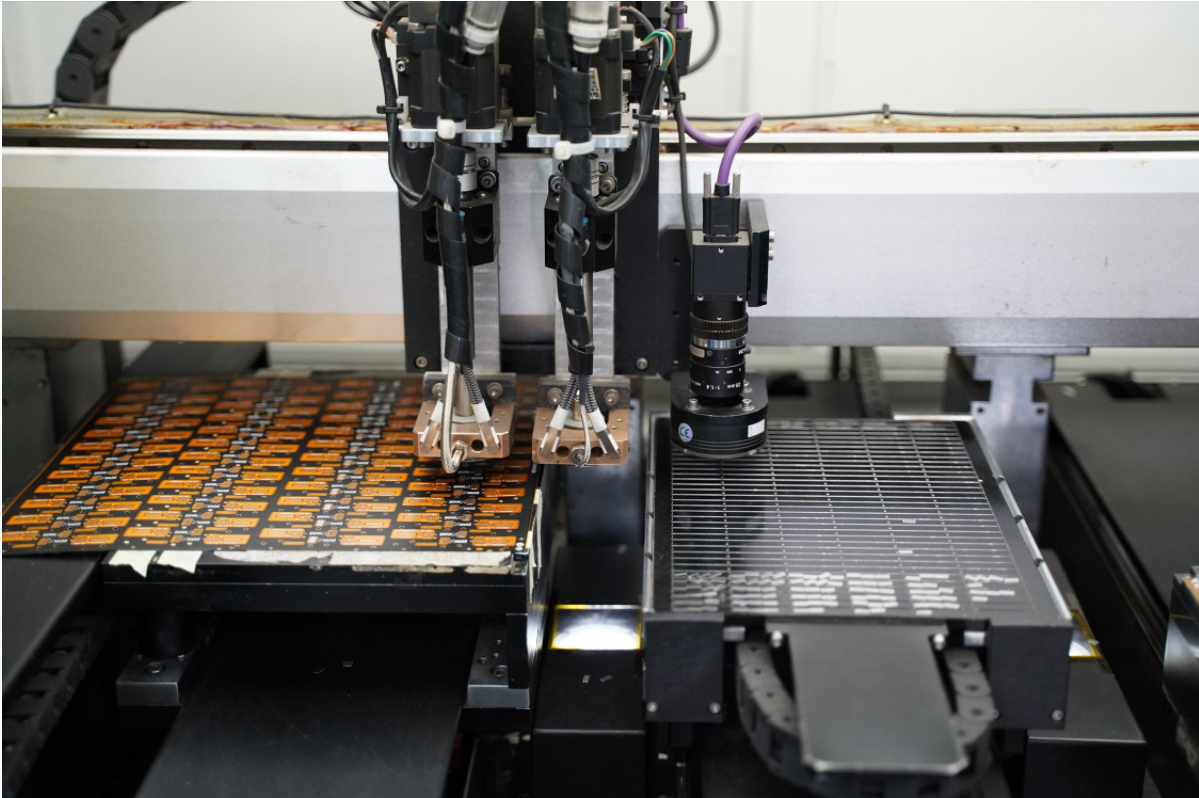
Maintenance: Regular maintenance should be conducted to ensure the proper functioning of the circuit board and prevent any issues that may lead to failure.
Optimizing the design and manufacturing process of flexible PCB cables is crucial for improving their reliability and service life.
FPC Welding Plate Design: The Most Critical Point for Reducing Product Defects!
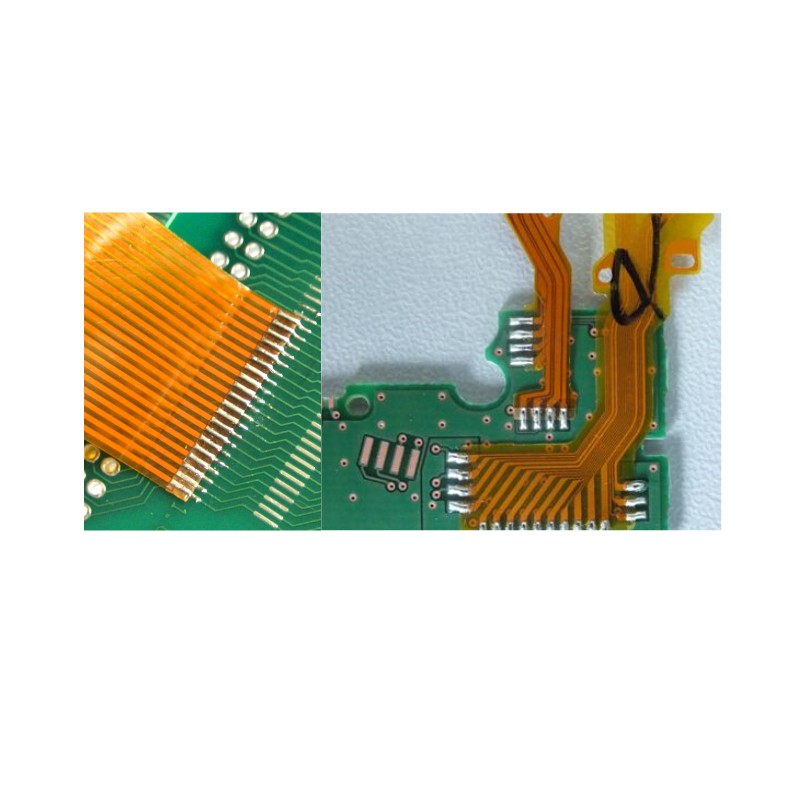
Flexible PCB cables, also known as flexible circuit boards, are widely used in smart devices due to their thinness and flexibility. The design of the FPC welding plate plays a crucial role in minimizing product defects. While manual welding can save costs and make the FPC more robust compared to connectors, it may lead to larger welding areas and more complex maintenance. FPC gold finger design can involve multiple layers, and creating holes in the pad can facilitate heat transfer and ensure solder flows between the top and bottom layers.
Double-Sided Wiring with Extra Through Holes: A Solution to Reduce Damage!
During the manufacturing process, excessive stress can easily damage flexible PCB cables. To address this issue, the “double-sided line + extra hole” method was introduced. This method involves constructing the flexible PCB cable based on the principle that the entire copper foil stretches, while the welded surface cannot stretch after welding. By concentrating the force points on the edges of the welded surface, the risk of edge detachment is minimized. Implementing double-sided wiring with extra through holes helps reduce stress and prevents damage to the flexible PCB cable.
In conclusion, reducing the failure rate of flexible PCB cables requires careful consideration of circuit design, material selection, manufacturing process, quality control, and maintenance. By optimizing these aspects, the reliability and service life of flexible PCB cables can be improved. The design of the FPC welding plate and the implementation of double-sided wiring with extra through holes are crucial in minimizing defects and preventing damage.